
GREENKEY empowers adult educators with innovative tools to teach sustainability through food, digital skills, and community-based learning across Europe.
When I first joined the GREENKEY project, I did not expect that a topic as everyday as food would end up being one of the most effective gateways into adult education for sustainability, digital skills, and community engagement. And yet, this is exactly what happened.
Key to Green Future also known as GREENKEY funded through Erasmus+, is a transnational project that connects partners in the Czech Republic, Romania, Greece, and Italy. While it primarily addresses youth aged 16 to 25, the true transformative impact lies in the capacity-building of adult educators, youth workers, and community stakeholders, who serve as the bridge between knowledge and action in their local settings.
What makes GREENKEY relevant to the adult education sector is not only its innovative topic—sustainable food systems—but its methodological value. The project provided a real-life testing ground for educators to apply participatory learning, intergenerational dialogue, and blended learning approaches, all anchored in the context of environmental and cultural education.
Adult Educators as Agents of the Green Transition
The climate emergency demands more than awareness; it requires the training of adult educators capable of making sustainability real, concrete, and connected to everyday life. In this context, food is a powerful starting point.
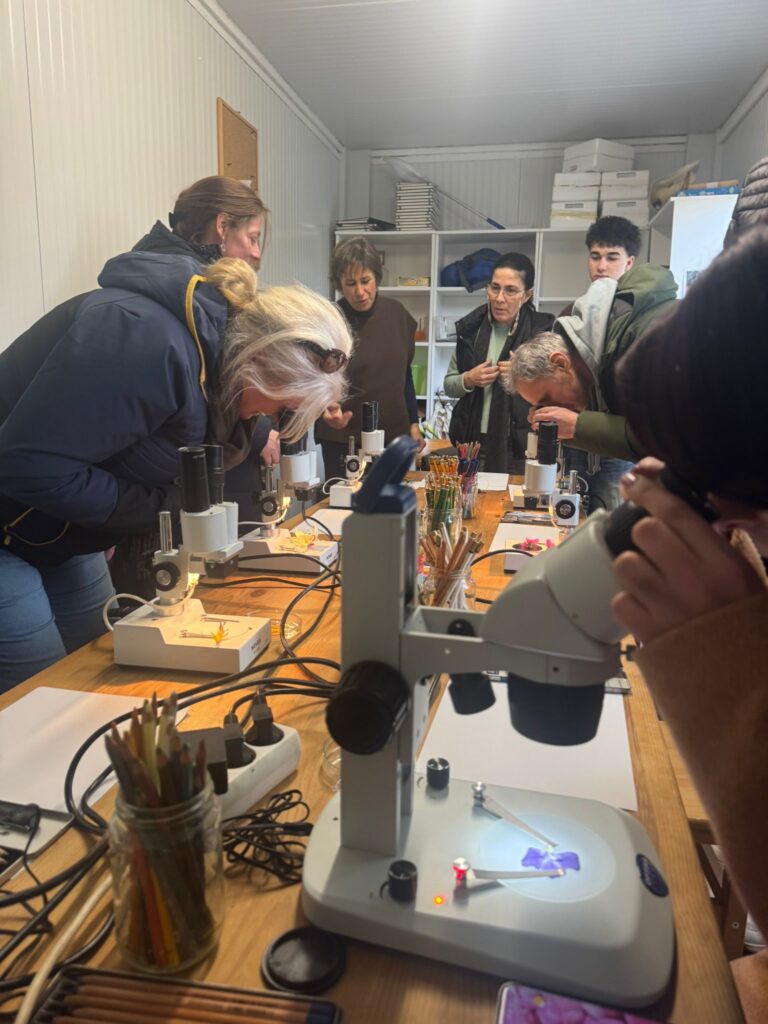
Through GREENKEY, trainers and facilitators in partner countries were not only introduced to concepts such as plant-based diets, organic farming, food waste reduction and agroecology—they were invited to co-create content, facilitate local workshops, and design inclusive learning environments using digital tools like Canva, Genially, and video editing software.
In Italy, for example, educators from Talent Way supported young participants in exploring the Mediterranean Diet not as a nostalgic artifact, but as a living, climate-smart, and community-based practice. These educators then transferred their experience to peers working in adult education, creating a ripple effect that reached schools, cultural associations, and municipal youth services.
Transnational Experiences, Local Implementation
Each GREENKEY partner brought a distinct regional context, which enriched the adult learning dimension of the project:
- In the Czech Republic, educators working with infinity-progress z.s. led outdoor, non-formal education sessions in the Beskydy Mountains, blending climate science with local ecological knowledge.
- In Romania, IPP integrated GREENKEY themes into their existing VET and adult education programmes, particularly in rural areas where environmental topics are often underrepresented. Their educators developed new ways to teach sustainability through storytelling, community gardening, and e-learning platforms.
- In Greece, Empower NGO focused on teacher training seminars and developed easy-to-use materials for adults and families looking to reduce their carbon footprint through food. Workshops on reading food labels and reducing household waste helped create community-level change.
- In Italy, facilitators used digital creativity workshops to support lifelong learners in rethinking their role as consumers and citizens in the context of climate change.
These experiences show that sustainable development education is not limited to young people, but gains even more power when it includes teachers, parents, farmers, public officials, and adult learners.

Why GREENKEY Matters for the Future of Adult Learning
GREENKEY demonstrates what many of us in the adult education community already know: education for sustainability must be participatory, localised, and values-based.
The project’s open-access online platform, its capacity-building toolkit for educators, and its gamified modules are now available in multiple languages. These resources are not just final outputs—they are starting points for any adult educator looking to engage with climate literacy, food security, and cultural heritage in a tangible, learner-centred way.
Moreover, GREENKEY aligns with the broader goals of the European Green Deal and the Council Recommendation on learning for the green transition. It reinforces the idea that adult education is a pillar of democratic resilience, social inclusion, and environmental action.
Final Thoughts and a Call to Action
If there is one thing I take from the GREENKEY experience, it’s this: projects that combine knowledge, practice, and identity are the most impactful. Sustainability is not just a technical issue; it’s a cultural, emotional, and educational journey.
I invite educators across Europe to explore GREENKEY’s resources, adapt the materials to their communities, and above all, create spaces where adults and youth can learn together—in gardens, kitchens, classrooms, and digital forums. Because sustainable food isn’t just about what we eat—it’s about who we are and the future we want to shape.